

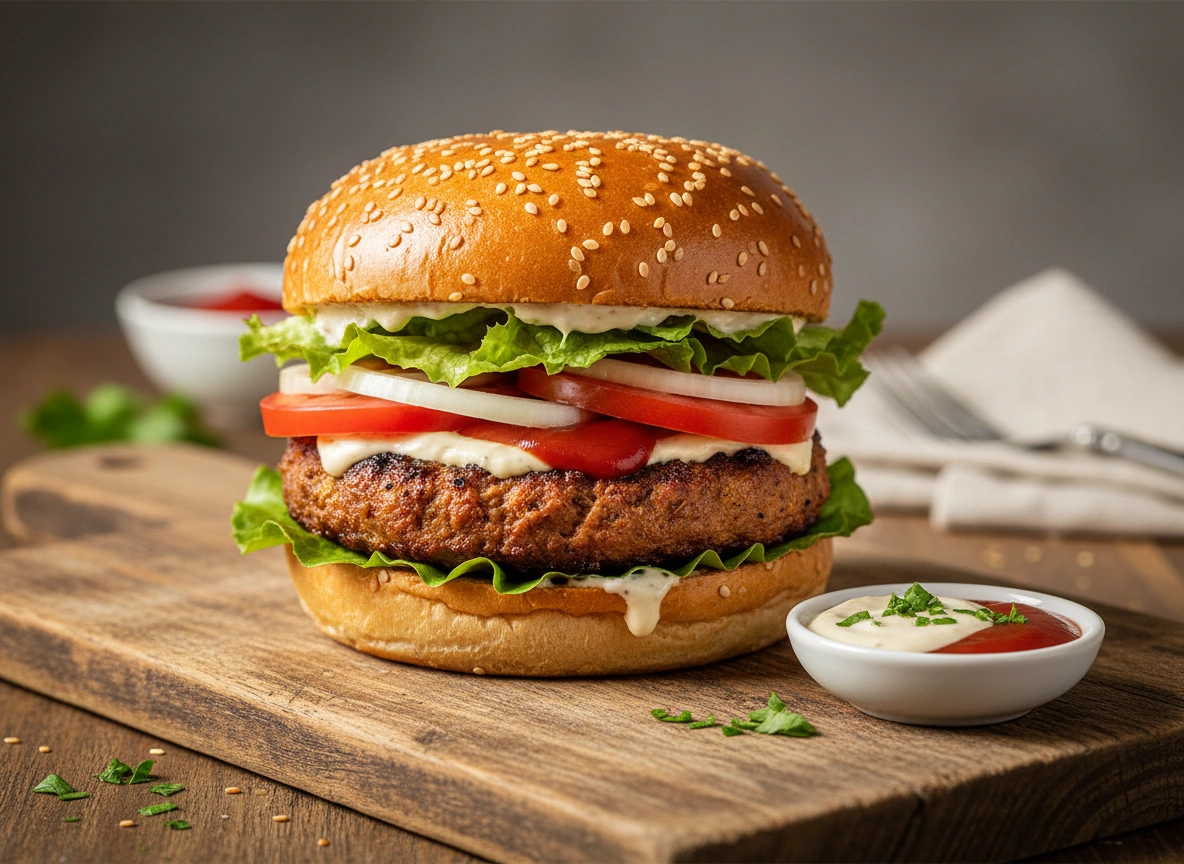
Most of us have had a disappointing veggie burger. You know the type: a mushy, flavorless puck that squishes out the sides of the bun with the first bite, leaving you wishing you had just ordered a salad. For a long time, plant-based burgers were an afterthought on restaurant menus, often relegated to a mix of frozen vegetables held together by hope.
But times have changed. The popularity of vegan diets has skyrocketed, driven by health concerns, environmental awareness, and animal welfare. With this shift, the demand for better plant-based alternatives has surged. We aren’t just looking for vegetables anymore; we want the savory, juicy, umami-packed experience of a classic burger, minus the meat.
Replicating that specific texture and flavor profile is challenging. Meat possesses a unique combination of fat, protein structure, and iron-rich “bloodiness” that is hard to mimic with lentils alone. However, with the right combination of high-quality plant proteins, smart seasoning, and specific cooking techniques, you can create a vegan burger that satisfies even the most devoted carnivore.
This guide will walk you through the science and art of crafting the ultimate vegan burger at home.
The Foundation: Choosing Your Base
The biggest mistake home cooks make is relying on a single ingredient for their base. A great burger needs complexity. To get a meaty texture, you need to blend ingredients that provide chew, bulk, and binding.
Textured Vegetable Protein (TVP)
TVP is a secret weapon in the vegan kitchen. Made from defatted soy flour, it comes in dry granules that need to be rehydrated. Once soaked in a flavorful broth, TVP mimics the texture of ground beef incredibly well. It provides that essential “bite” that beans often lack.
Mushrooms for Umami
If you want a meaty flavor, you need mushrooms. Cremini or Shiitake mushrooms are excellent choices because they are rich in natural glutamate, which registers as savory on our taste buds.
- Pro Tip: Don’t just chop them raw. Sauté your mushrooms until they release all their liquid and start to brown. This concentrates their flavor and improves the burger’s final texture.
Legumes and Grains
Black beans, lentils, and chickpeas are classic bases, but they can be mushy if used alone. Mixing them with cooked brown rice, quinoa, or bulgur wheat adds varied texture. The grains help break up the creaminess of the beans, making the patty feel more substantial.
Vital Wheat Gluten
Also known as “seitan,” this is pure wheat protein. Adding a few tablespoons to your mixture acts as a powerful binder and adds a chewy, meat-like elasticity that you simply cannot get from starch binders like flour or oats alone.
The Flavor Profile: Engineering the “Beefy” Taste
Texture is only half the battle. To make a burger taste “real,” you have to layer flavors that trick the palate. You aren’t just seasoning vegetables; you are building a savory profile from the ground up.
The Umami Bomb
Meat is savory. Plants can be too, but they need help. Incorporate these ingredients to boost the savoriness:
- Soy Sauce or Tamari: Adds salt and depth.
- Miso Paste: A tablespoon of white or red miso adds a fermented, complex salty note.
- Tomato Paste: Provides richness and acidity.
- Nutritional Yeast: Adds a savory, slightly cheesy, nutty undertone.
The Smoky Element
Grilling meat creates a distinct smoky flavor. You can replicate this without a charcoal grill by using:
- Smoked Paprika: Essential for color and a subtle smoke.
- Liquid Smoke: Be careful with this—a little goes a long way. a quarter teaspoon is often enough to impart a campfire flavor.
The Secret Ingredient: Beet Juice
One of the psychological cues of a juicy burger is the color. A raw beef patty is red and turns brown as it cooks. Adding a small amount of raw beet juice (or grated raw beets) to your patty mix gives it that pink, fresh-meat look. It also adds a subtle earthy sweetness that complements the savory elements.
Step-by-Step Guide to the Ultimate Vegan Burger
Here is a reliable method to combine these elements into a cohesive patty.
Step 1: Prep Your Ingredients
Finely dice your mushrooms and onions. Sauté them in olive oil with garlic until they are golden brown and dry. This step is crucial—removing moisture prevents a mushy burger. If you are using TVP, rehydrate it in beef-style vegetable broth.
Step 2: Create the Base Mix
In a food processor, pulse your beans (black beans or kidney beans work well) but do not puree them completely. You want chunks. Transfer them to a large mixing bowl. Add your cooked mushroom mixture, rehydrated TVP, and grains.
Step 3: Season Aggressively
Add your flavor agents: soy sauce, tomato paste, smoked paprika, cumin, onion powder, and black pepper. Stir in the beet juice for color. Taste the mixture. It should taste slightly over-seasoned, as the flavors will mellow during cooking.
Step 4: The Bind
Add your binders. Sprinkle in vital wheat gluten or breadcrumbs. Use your hands to mix. The dough should hold together easily when squeezed. If it’s too wet, add more crumbs; too dry, add a splash of water or oil.
Step 5: Shaping and Resting
Form the mixture into patties. Press them firmly to ensure they don’t crumble.
- Crucial Step: Refrigerate the patties for at least 30 minutes before cooking. This allows the binders to activate and the flavors to meld, significantly reducing the chance of the burger falling apart in the pan.
Cooking Techniques for Maximum Flavor
How you cook the burger is just as important as what is in it.
Pan-Searing
A cast-iron skillet is your best friend here. Heat a generous amount of oil over medium-high heat. You want to fry the exterior to create a crust (the Maillard reaction). Cook for about 4-5 minutes per side. Do not press down on the burger like you might with beef, as this can force the structure apart.
Grilling
If you are using a grill, make sure your grates are clean and well-oiled. Vegan burgers have less fat than beef, so they stick more easily. Brush the patties with oil before placing them on the heat. Let them cook undisturbed until they release naturally from the grate.
Baking
For a firmer texture, you can bake the patties at 375°F (190°C) for 20 minutes, flipping halfway through. This dries them out slightly, creating a very sturdy burger that is perfect for heavy toppings.
Serving and Customization
Now that you have the perfect patty, don’t ruin it with subpar toppings. The assembly is where you can add moisture and fat that plant-based patties typically lack compared to beef.
The Bun
Choose a sturdy bun that can hold up to the ingredients. A toasted brioche bun (vegan versions are available) or a pretzel bun adds a nice texture contrast. Always toast the cut side of the bun to prevent sogginess.
Creamy Elements
Since vegan patties are leaner, adding fat via toppings is essential for mouthfeel.
- Smashed Avocado: Adds richness and creaminess.
- Vegan Cheese: Place a slice on the patty during the last minute of cooking and cover the pan to steam it into melting.
- Special Sauce: Mix vegan mayonnaise, ketchup, relish, and a dash of hot sauce for a classic burger sauce.
Texture Contrast
Add crunch with:
- Crispy fried onions
- Fresh lettuce and raw red onion
- Pickles (essential for cutting through the richness)
The Benefits of Making the Switch
Mastering the art of the vegan burger does more than just expand your culinary repertoire. It has significant impacts on your health and the world around you.
Healthier Indulgence
While store-bought ultra-processed vegan burgers can be high in sodium, homemade versions put you in control. You are getting a meal rich in fiber, complex carbohydrates, and plant protein, with zero cholesterol. You can adjust the salt levels and choose healthy fats like olive oil or avocado oil.
Environmental Impact
Plant-based proteins require significantly fewer resources to produce than animal meat. Beef production is a major contributor to greenhouse gas emissions and water usage. By swapping out beef for lentils, beans, and grains, you are drastically reducing the carbon footprint of your meal. It is a small change on your plate that makes a massive difference globally.
Conclusion
Creating a vegan burger that tastes like the real thing isn’t magic; it is chemistry. By understanding how to balance moisture, replicate texture with proteins like TVP and gluten, and layer umami flavors, you can create a burger that stands on its own merits.
It doesn’t need to be an exact replica of beef to be delicious—it just needs to hit those same satisfying notes of savory, salty, fatty, and chewy. So fire up the skillet, grab your spices, and get ready to change your mind about what a veggie burger can be.
Please visit website for more info.
