

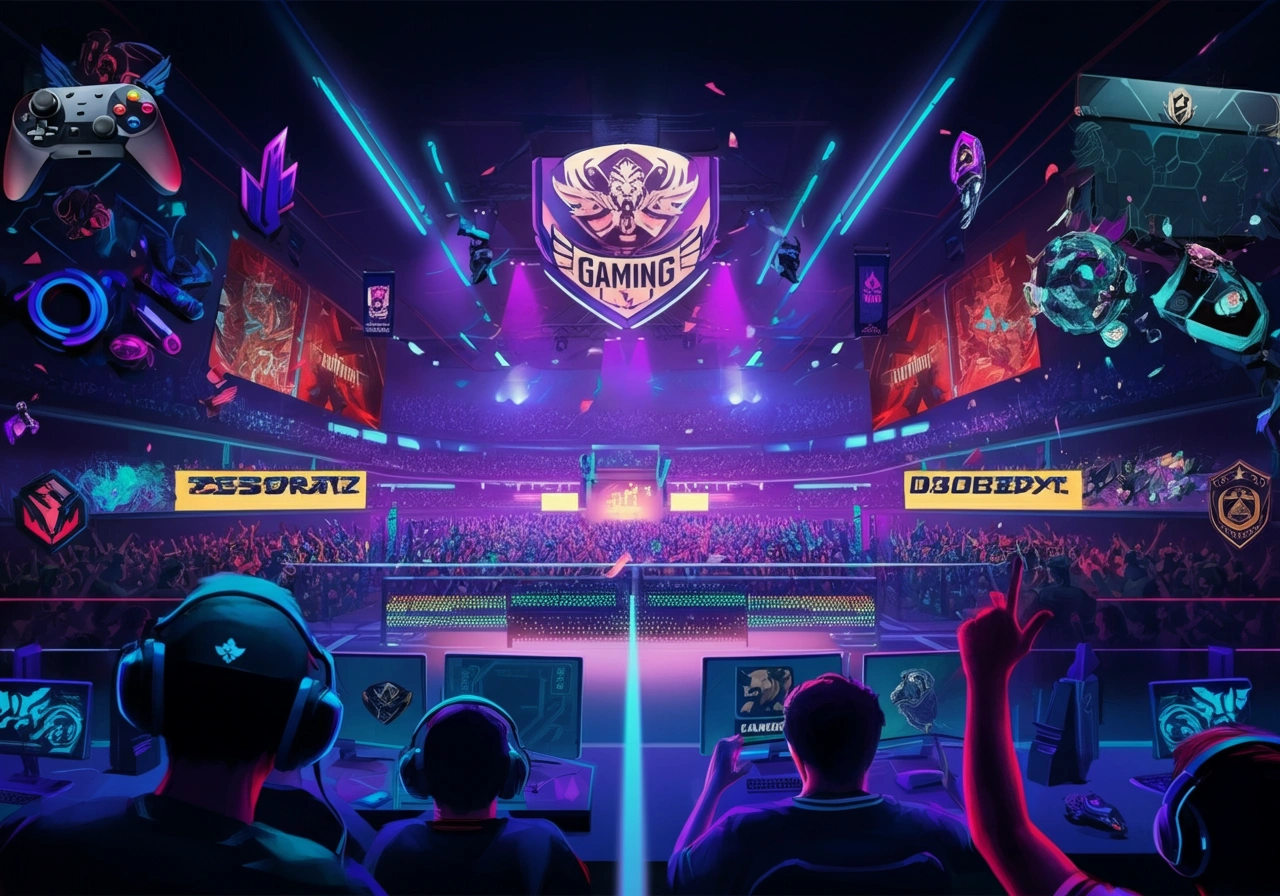
The digital entertainment landscape is witnessing a powerful convergence. Two of its most dynamic sectors, iGaming and esports, are no longer just running on parallel tracks. They are intersecting, creating a fusion of interactive betting and competitive gaming that is reshaping how we play, watch, and wager. This blend is driven by shared technologies, overlapping audiences, and innovative monetization strategies, signaling a new era for both multi-billion dollar industries.
This article explores the powerful connection between iGaming and esports. We will examine their individual growth, identify their common ground, and see how technology is fueling their integration. By looking at specific examples and future trends, we can understand the immense potential of this convergence and its lasting impact on the broader world of entertainment.
The Meteoric Rise of Two Digital Giants
To appreciate the significance of their intersection, it is essential to understand the scale and trajectory of both iGaming and esports as standalone industries. Each has carved out a massive global following, built on digital accessibility and a deep understanding of audience engagement.
iGaming: From Niche to Mainstream
iGaming, or online gambling, encompasses a wide range of activities, including online casinos, sports betting, poker, and lotteries. What began as a niche corner of the internet in the mid-1990s has exploded into a global phenomenon. The industry’s growth is fueled by regulatory changes, such as the legalization of sports betting in various US states, and technological advancements that deliver seamless, secure, and immersive experiences.
Modern iGaming platforms are far more than simple digital versions of their land-based counterparts. They incorporate sophisticated software, live dealer technology that streams real-time games, and personalized user experiences powered by data analytics. This evolution has attracted a diverse demographic, moving beyond traditional gamblers to include a younger, tech-savvy audience looking for quick and engaging forms of entertainment.
Esports: Competitive Gaming Takes Center Stage
Esports, the world of organized, competitive video gaming, has transitioned from grassroots tournaments to a professionalized global sport. Franchised leagues, multimillion-dollar prize pools, and dedicated arenas packed with passionate fans are now the norm. Games like League of Legends, Counter-Strike 2, and Valorant have become cultural touchstones with professional players achieving celebrity status.
The growth of esports is directly linked to the rise of streaming platforms like Twitch and YouTube. These platforms allow millions of fans to watch their favorite players and teams compete live, fostering a strong sense of community. The audience is predominantly young, digitally native, and highly engaged, making it an incredibly attractive market for sponsors, advertisers, and, increasingly, betting operators.
Finding Common Ground: Where Worlds Collide
The convergence of iGaming and esports is not a coincidence; it’s a natural evolution driven by shared characteristics. Both industries thrive on competition, skill, and chance, appealing to a similar psychological desire for excitement and reward.
Shared Audience Demographics
The most significant overlap lies in their audiences. The typical esports fan is a millennial or Gen Z digital native who is comfortable with online transactions and fluent in the language of digital platforms. This same demographic is a key target for iGaming operators looking to expand their user base beyond traditional casino and sports bettors. They are drawn to interactive, skill-based experiences and are more open to novel forms of entertainment and wagering.
As esports fans mature and gain disposable income, they represent a vast, untapped market for betting. They already understand concepts like odds, player performance metrics, and in-game probabilities, making the leap to wagering on matches a relatively small one.
The Role of Technology and Data
Technology is the engine driving both sectors and their eventual merger. High-speed internet, mobile accessibility, and secure payment systems are foundational to both iGaming and esports. Furthermore, both industries are heavily reliant on data analytics.
- In Esports: Data is used to analyze player performance, track in-game events, and create compelling broadcast narratives.
- In iGaming: Data helps personalize user experiences, manage risk, and set accurate betting odds.
When these data streams combine, the possibilities multiply. An iGaming platform can offer highly specific, real-time bets on esports matches—such as which player will secure the next objective or which team will win a specific map. This level of granular betting, known as micro-betting, is made possible by the vast amount of data generated during a professional esports match.
Bridging the Gap: Examples in Action
The theoretical intersection of iGaming and esports is already playing out in the real world. Several companies and initiatives are pioneering this new space, demonstrating the viability and appeal of the integrated model.
Dedicated Esports Betting Platforms
Companies like Betway, GG.BET, and Rivalry have built their brands around esports wagering. Unlike traditional sportsbooks that simply added an esports tab, these platforms are “esports-first.” Their user interface, betting markets, and content are all tailored specifically for the gaming audience. They sponsor esports teams, create original content with popular gaming personalities, and engage authentically with the community on social media, building trust and credibility.
Integration of Betting into Media Platforms
Esports media companies are also getting in on the action. Organizations that produce tournaments and broadcasts are integrating betting odds and statistics directly into their live streams. This provides viewers with valuable context while seamlessly introducing the concept of wagering. By presenting betting as a natural extension of the viewing experience, they normalize it for a new generation of potential bettors. For example, a broadcaster might display live odds for a team to win a match, provided by a partner betting operator.
Skill-Based Wagering
A newer, more direct form of convergence is the rise of skill-based wagering. Platforms are emerging that allow players to bet on the outcome of their own gameplay in one-on-one matches or tournaments. This model directly combines the competitive element of esports with the financial stakes of iGaming. It appeals to the core gamer desire to prove one’s skill while offering a tangible reward, moving beyond the traditional spectator betting model.
The Future of Integrated Entertainment
The convergence of iGaming and esports is poised to accelerate, creating a new category of interactive entertainment that is more engaging, personalized, and lucrative than ever before.
Deeper Technological Integration
The future will likely see even deeper integration powered by technologies like AI and machine learning. AI algorithms will be able to generate dynamic, real-time betting markets with incredible speed and accuracy, offering wagers on nearly any conceivable in-game event. This will make watching esports a more interactive and participatory experience. Furthermore, virtual and augmented reality could create fully immersive betting environments where users feel like they are inside the game itself.
Regulatory Evolution
As the market grows, regulatory frameworks will need to adapt. Governments and regulatory bodies are beginning to recognize esports betting as a distinct category with its own unique challenges, particularly concerning match integrity and responsible gaming for a younger audience. Clear and consistent regulations will be crucial for fostering sustainable growth and protecting consumers. Companies that prioritize integrity and player safety will be best positioned for long-term success.
Impact on the Broader Entertainment Industry
The fusion of iGaming and esports provides a blueprint for the future of interactive entertainment. The lessons learned from combining passive viewing with active participation (wagering) can be applied to other forms of media. Imagine placing micro-bets on the outcome of a reality TV show or a live-streamed talent competition. The model of engaging audiences through real-time, data-driven interaction has the potential to disrupt traditional media consumption across the board.
In conclusion, the intersection of iGaming and esports is more than just a passing trend; it is a fundamental shift in the digital entertainment landscape. By leveraging shared audiences, advanced technology, and innovative business models, these two industries are creating a powerful synergy that offers immense value to consumers and operators alike. As this convergence continues to mature, it will not only redefine gaming and betting but also set a new standard for what interactive entertainment can be.
You may also visit this website บาคาร่า
