

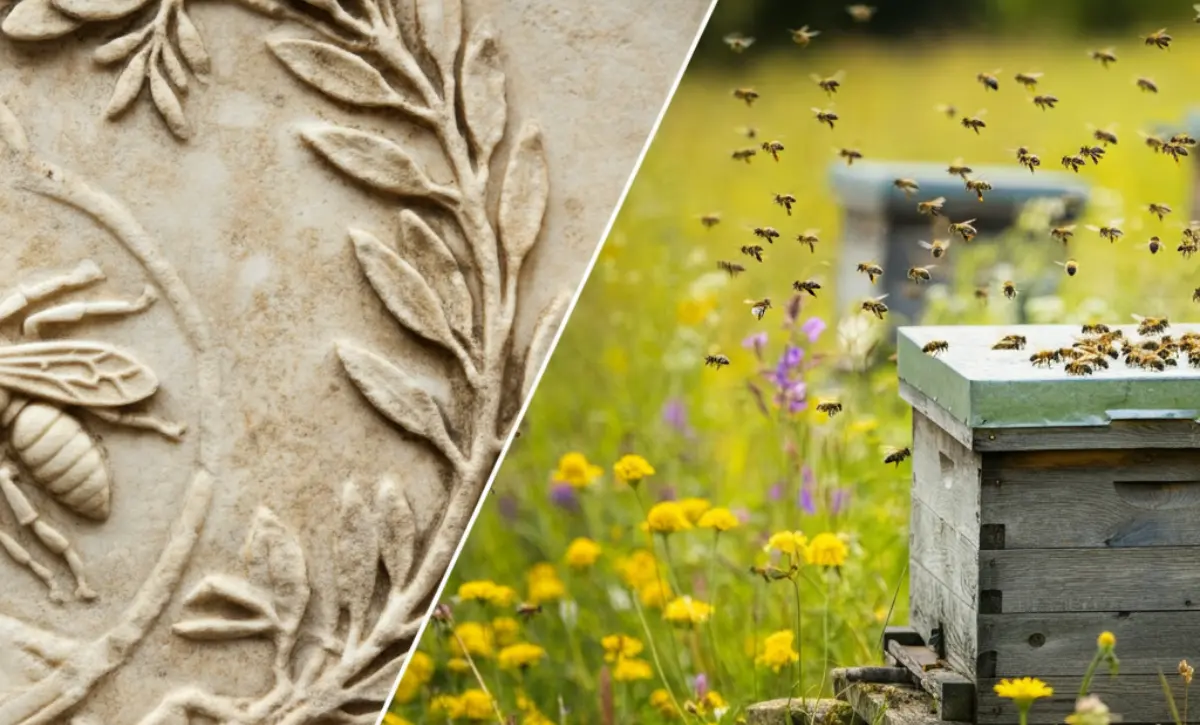
For many in the UK, the sudden surge in interest around “bugonia” has been impossible to miss. Once a near-forgotten legend, the bugonia myth—the ancient belief that bees could be born from the carcass of cattle—is buzzing all over British social media, sparking thought-provoking debates among classicists, beekeepers, students, and anyone with a curious mind.
From trending hashtags to classroom discussions, “what is bugonia” is back as people rediscover how folklore, farming, and early science once intertwined.
What is the Bugonia Myth?
In simple terms, the bugonia myth says that if you seal a dead ox or bull in an enclosed space and perform the right rituals, a swarm of honeybees will emerge. This idea isn’t just an odd footnote in history; for centuries, many truly believed bugonia could restore lost hives. Ancient beekeeping practices blended careful observation with stories handed down from poet to farmer.
It’s remarkable to think that, in a time before microscopes and modern biology, generations found the myth of bugonia completely credible.
The Classical Origin of Bugonia
Bugonia’s roots reach deep into Greek and Roman history. The Roman poet Virgil documented the ritual in his Georgics, vividly describing each step for hopeful beekeepers facing hive collapse. Ovid’s Metamorphoses also weaves the bugonia myth into its tales of transformation. Given their influence, such texts helped keep bugonia alive across the centuries, lending their authority—and a little drama—to the world of ancient beekeeping.
Scribing down agricultural wisdom and blending it with myth, these poets shaped how their communities understood the natural world, long before the true nature of bees was uncovered.
Bugonia and the Social Media Revival
So, why is bugonia suddenly everywhere in the UK? Credit goes to the rapid spread of information—and fascination—on platforms like TikTok and Twitter, where videos and threads explore the myth’s origins and ask why anyone ever believed it. Dramatic retellings, “myth-busting” videos, and thoughtful commentaries have drawn millions of curious viewers.
Online, users hash out the difference between ancient folklore and accepted science, while the hashtag #bugonia acts as a rallying point for conversation around myths and how they persist even today. For those interested in a deeper dive into the story’s ancient roots, the British Museum offers great insight into Roman agricultural myths, including bugonia.
Bugonia Fast Facts
- Definition: Bugonia comes from Greek words meaning “ox” and “birth.”
- Origins: Featured in classic Greek and Roman texts.
- Famous Accounts: Virgil’s Georgics Book IV explains the process.
- Belief: Bees were thought to be born from dead cattle—a natural miracle.
- Disproven: Modern science debunked spontaneous generation centuries ago.
Science Steps In:
Busting the Bugonia Myth
It can feel surprising that such a story held sway for so long. For ancient farmers, bugonia explained something mysterious—but today, we know the real science. The myth relied on the now-disproven idea of spontaneous generation: the belief that life could begin from non-living matter.
Entomologists point out that the bodies used in bugoni rituals would attract insects like drone flies, which look a lot like honeybees. Watching these insects swarm from an animal’s remains would easily mislead someone unfamiliar with bee biology. Instead of magical new bees, the process was just a case of mistaken identity.
The Bugonia Revival: Why It Matters in the UK
There’s more to this story than quirky myth. UK beekeepers see the bugonia trend as a way to encourage real knowledge about pollinators and biodiversity. Local experts have used the moment to share vital facts about what bees really need to thrive—habitat, flowers, and careful stewardship, not ancient rituals. As British beekeeping faces modern threats like habitat loss and pesticides, separating fact from fiction has rarely felt more urgent.
In schools, interest in bugoni is inspiring GCSE and A-level students to take a closer look at Roman poetry and the realities of ancient agriculture. Museums that feature Roman Britain exhibits have noticed more questions from visitors keen to learn about both the myths and the science behind them.
The return of bugonia—at once strange and inspiring—reminds us how easily stories can span centuries, changing shape as they’re retold. Whether you’re a budding beekeeper, classics enthusiast, or simply someone who marvels at history, the buzz around bugonia is a chance to reflect on curiosity and the power of myth.
If you’re in the UK and have come across bugonia in your feed, it’s a testament to how even the wildest ancient ideas can find new life—and new relevance—today.
